Swede Hollow is one of Saint Paul's most extraordinary places — a deeply wooded urban ravine where generations of immigrants built homes, gardens, and community. We are its stewards.
Swede Hollow shelters the endangered Rusty Patched Bumble Bee and serves as a vital migratory flyway. We champion native plant restoration and creek health along Phalen Creek.
From the Dakota people to Swedish, Irish, Polish, Italian, and Mexican immigrant families, the hollow carries centuries of layered human story — one we are committed to honoring and sharing.
We support outdoor classrooms, interpretive programming, and community learning so that neighbors of all ages can connect with the remarkable ecology and heritage of this place.
Each summer, Art in the Hollow transforms the park into a living gallery — 100+ local artists, live music, and plein air painting celebrating the creative spirit of the East Side.
Sunrise to 11:00 PM
Open daily, year-round
Trails and access points are open in all seasons. No admission fee.
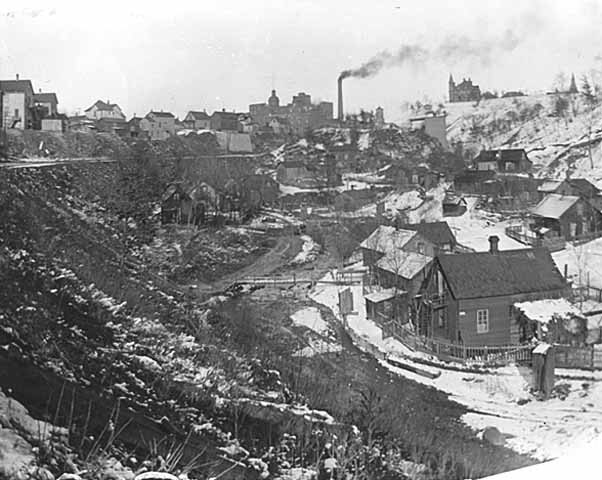
Long before European settlers arrived, the Dakota people knew this ravine as sacred land along Phalen Creek. Swedish immigrants arrived in the 1850s, naming it Svenska Dalen — Swedish Valley — and the name stuck long after they moved on.
Wave after wave of newcomers — Irish, Polish, Italian, and Mexican families — built homes here without electricity or running water, planting gardens, grape arbors, and picket fences that made the hollow feel like a village within a city.
On December 11, 1956, the city burned it all down. In 1976, it was reborn as a park. Today, Friends of Swede Hollow continues the work of honoring every community that called this ravine home.
Read the Full History"Swede Hollow offered immigrants a chance to transition into American society while retaining the values and traditions of their homelands."
— Art in the Hollow / Swede Hollow History